|
|
 |
 |
|
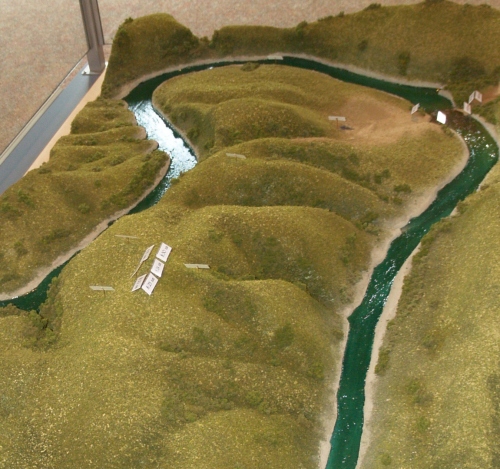
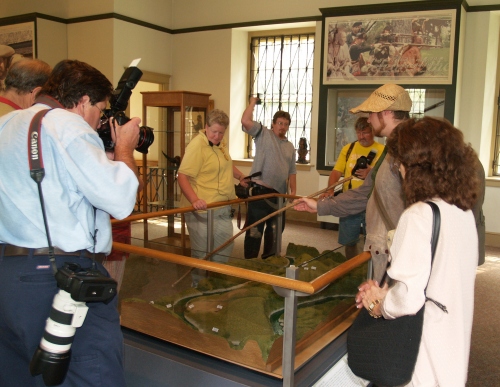
With volunteer help from Raleigh Hatfield and the Engineering Department at Morehead State University, a topographic model of the area from the Licking River to Indian Creek was created which gives visitors a visual perspective of the terrain and vantage points Daniel Boone and those who fought the battle may have had on the morning of Aug. 19, 1782.
|

 |
 |
|
Here members of the media cluster around as Tierney points out various places along the Licking River and the battlefield.
|
 |
 |
|
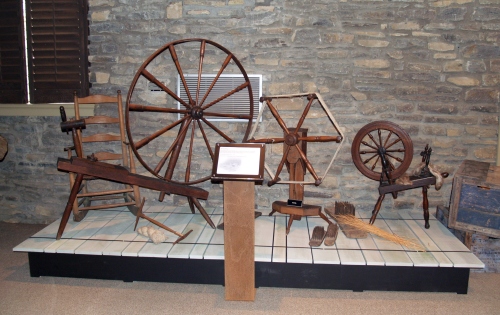
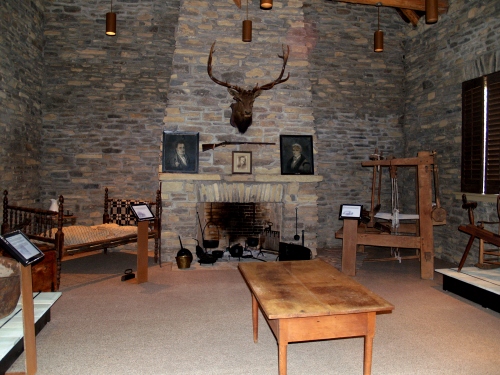
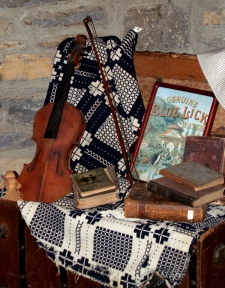
In the “homestead room” most of the artifacts remain but they now boast full descriptions in a larger, better lit area. These include the loom and the Daniel Boone Salt Kettle.
|
 |
 |
|
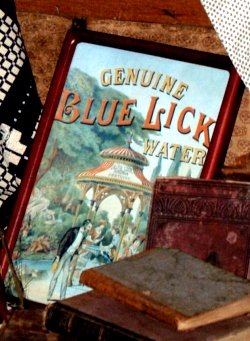
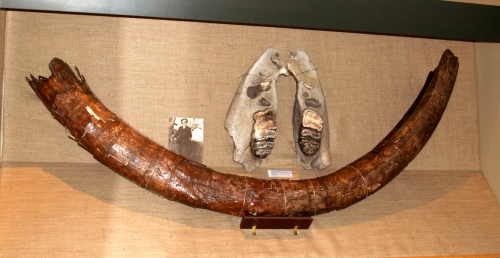
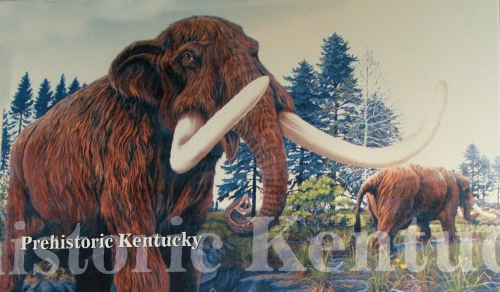
Giant mastodon and other bones were discovered in the area. Prehistoric animals had come to the licks just as did later buffalo, elk and deer. The salt licks later drew early settlers needing to make salt to preserve their meat.
|
 |
 |
|
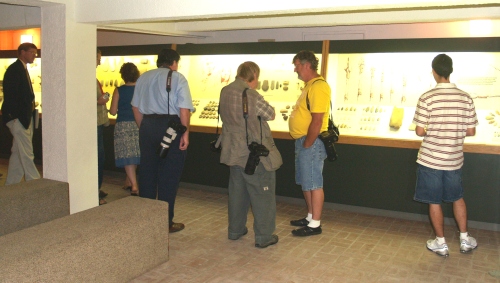
In the lower level is a “changing exhibit” area. This will not only give the public a chance to see different items every time that they visit it will give the museum a chance to display items that have been archived due to lack of space.
|
 |
 |
|
All Material in this Site is © 2007-2008, battleofbluelicks.org
|
 |
 |
|
Webdesign by
|
|
|
|